The Global Summit for Local ActionInvesting in Humanitarian Capacity
A two-day global online summit on 23–24 November 2026. National Societies, IFRC and partners come together to share what works, learn from each other and shape the future of local humanitarian action.
Countdown to Nov 23
The summit begins soon.
Local leadership, lasting humanitarian impact
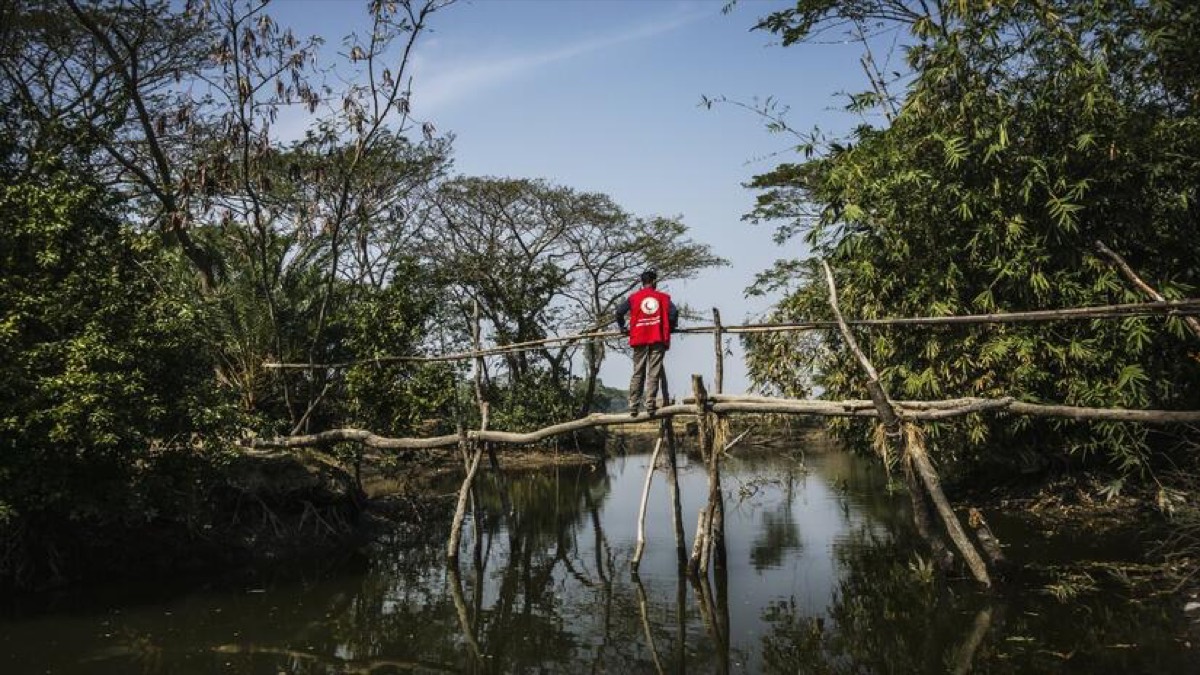
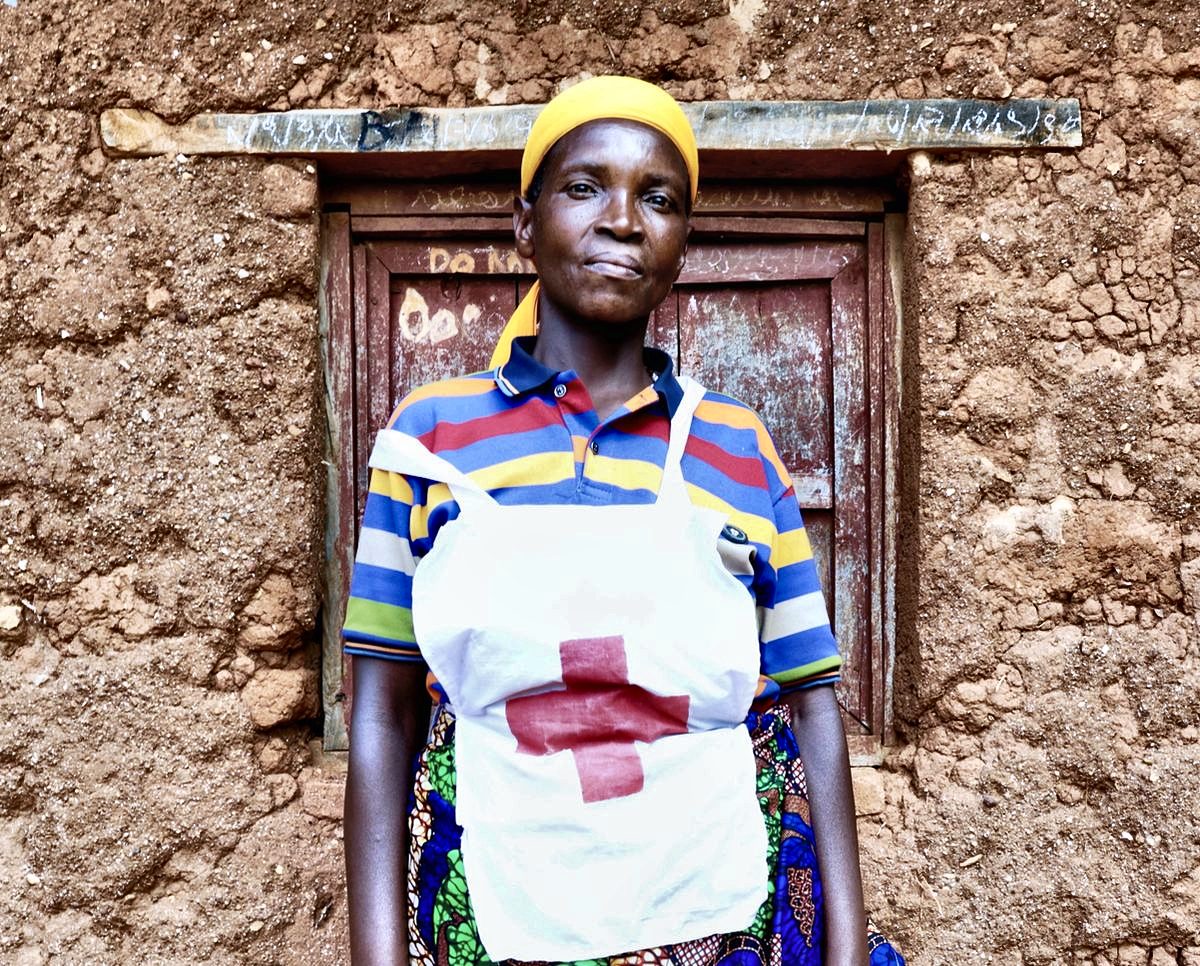
Embedded in communities and powered by volunteers, National Societies lead humanitarian action where it matters most. In a demanding and fast-changing environment, many are finding creative ways to grow stronger. Join us online on 23–24 November 2026 to hear their stories and learn from them.
What makes a strong National Society possible
Four priorities for stronger National Societies
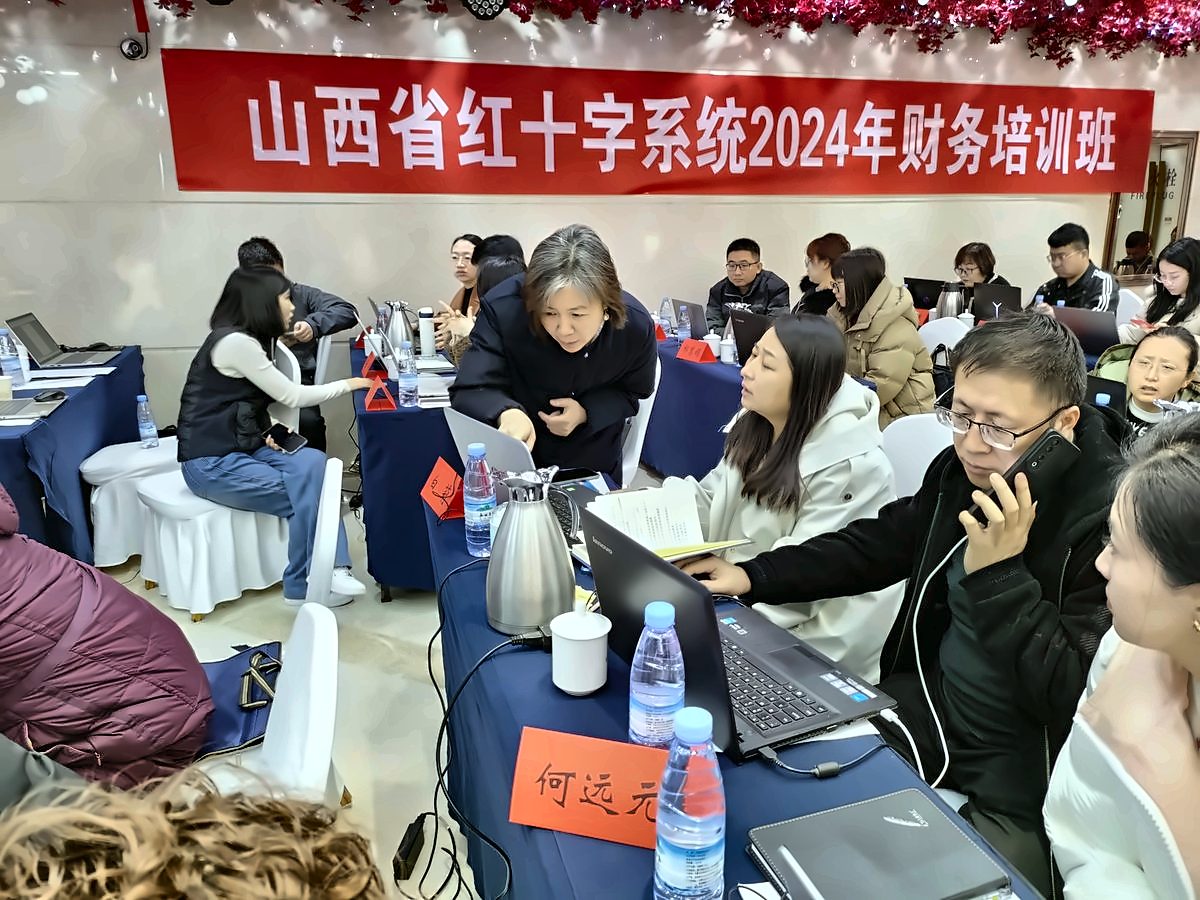
Diversifying resources, strengthening financial independence and sustaining humanitarian action.
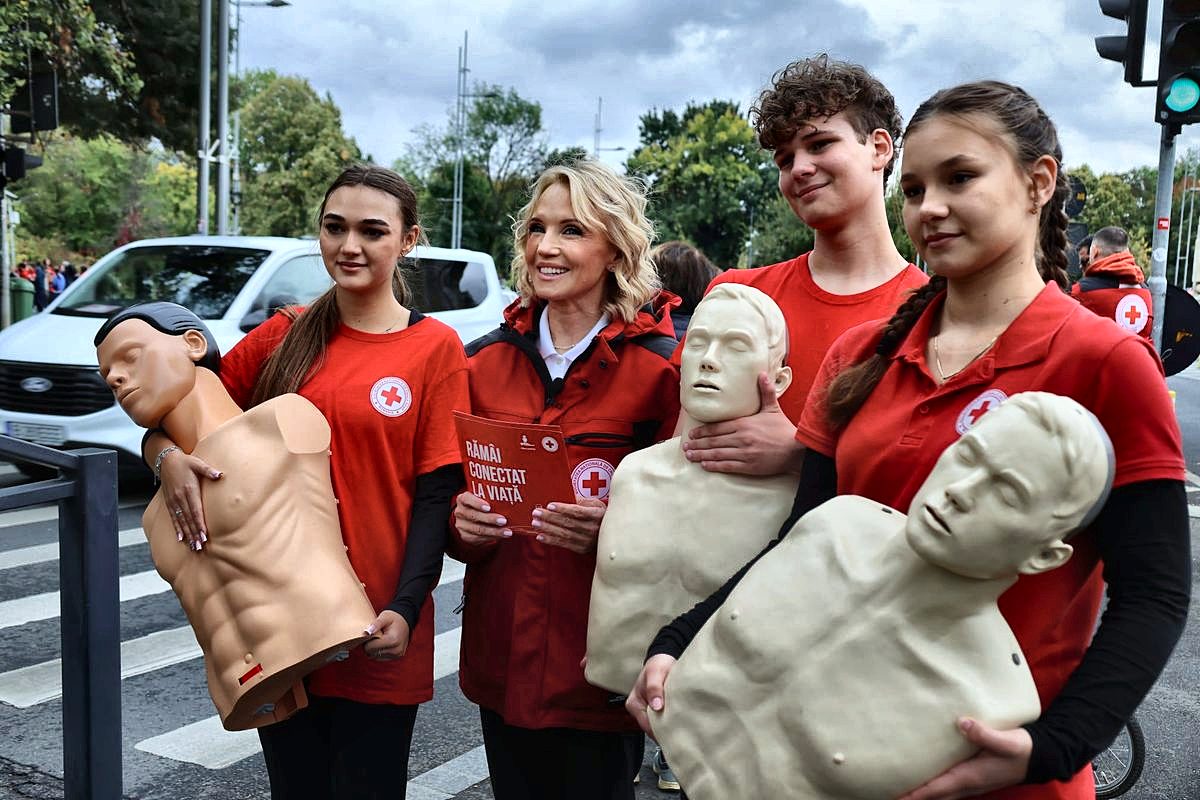
Putting volunteering at the heart of National Societies by strengthening local presence, volunteering development, youth participation and nurturing a culture of volunteerism.
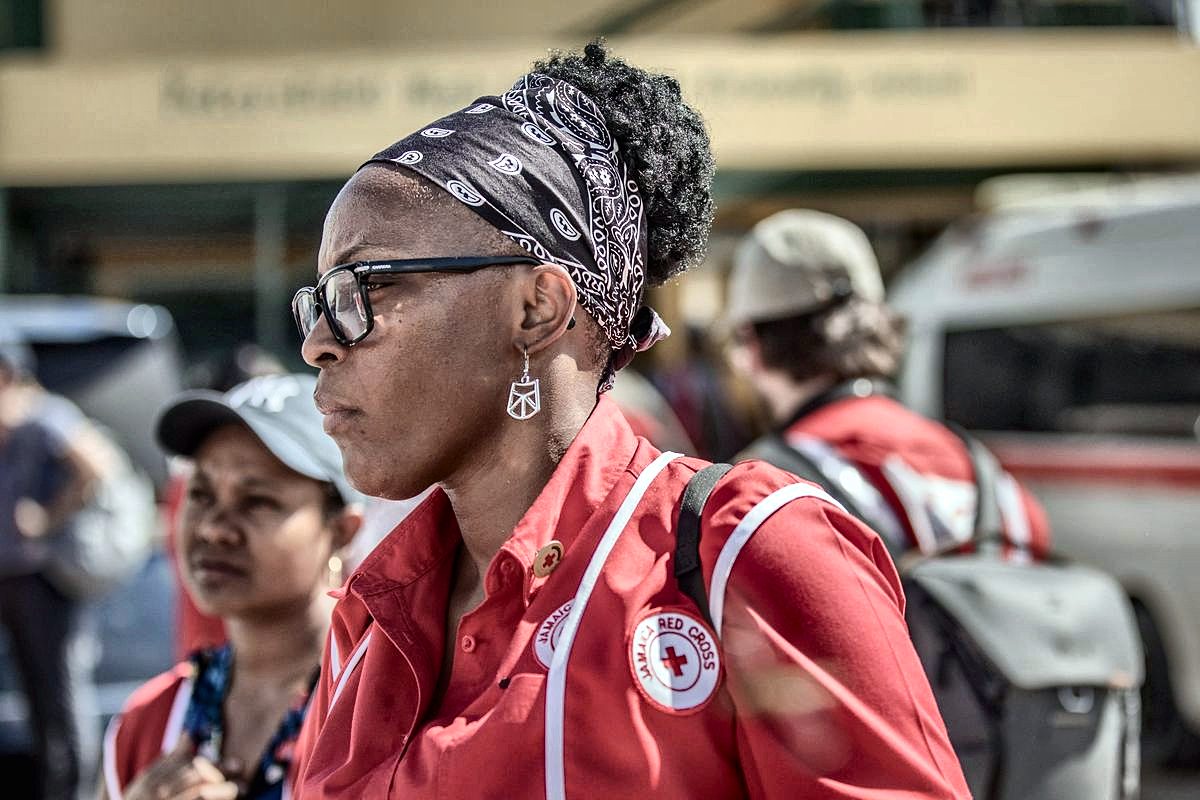
Developing accountable and future-fit leadership, governance and organisational decision-making.
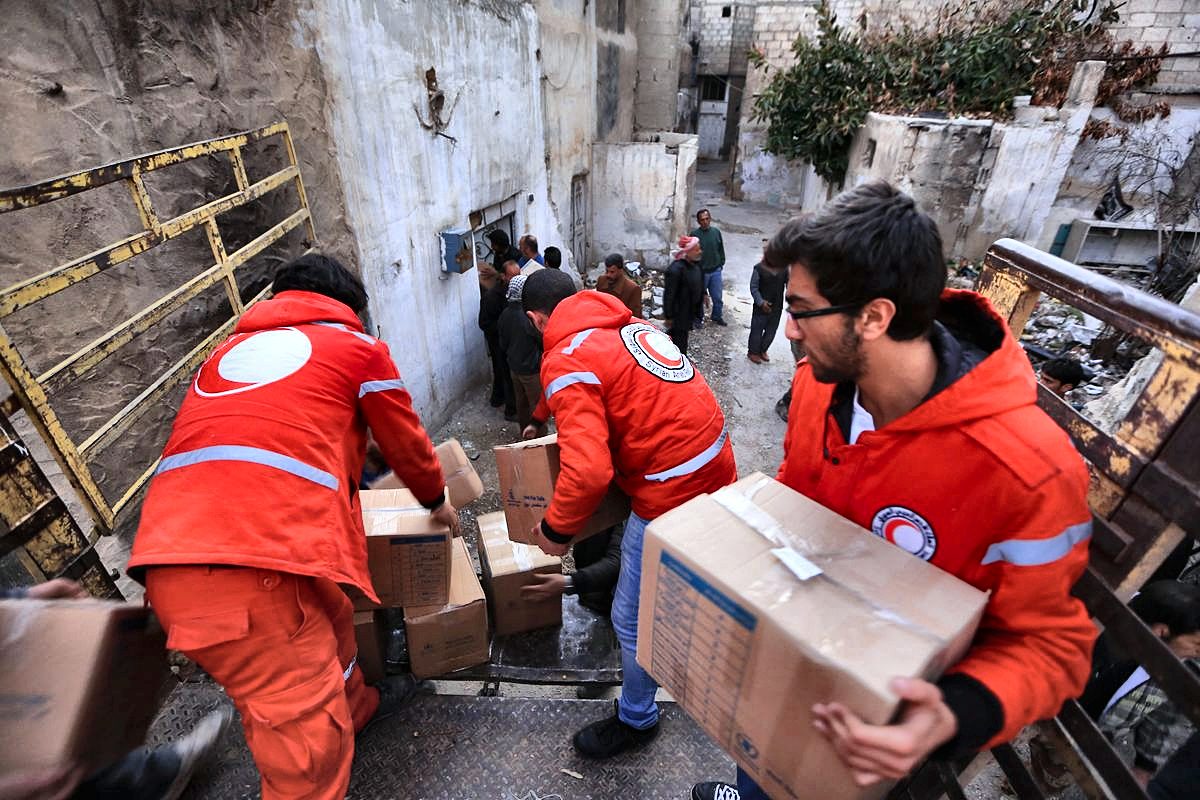
Strengthening the systems and processes that enable National Societies to operate effectively.



Explore the full two-day agenda
- KeynoteNov 23, 202612:00 CET
Empowering the next generation of crisis responders – Development of the Youth Response Units concept
Investing in young people means investing in the future of humanitarian action. The Croatian Red Cross strengthens humanitarian capacity through a standardized Youth Response Unit programme that combines education, practical experience, and meaningful opportunities for long-term engagement. The initiative equips young volunteers with essential skills for crisis preparedness and response, from logistics support and humanitarian aid distribution to field operations and community resilience activities. Through a nationally standardized curriculum, trained youth leaders, and a dedicated Training Centre that integrates learning spaces, accommodation, and simulation-based exercises, young people actively contribute to strengthening local response capacities. At the same time, the programme addresses the decline in volunteer numbers by creating a clear and sustainable pathway for youth participation within the Red Cross. By connecting youth engagement, preparedness, and organizational development, the initiative serves as a scalable model that strengthens resilience at community level and contributes to a more prepared and capable humanitarian network.
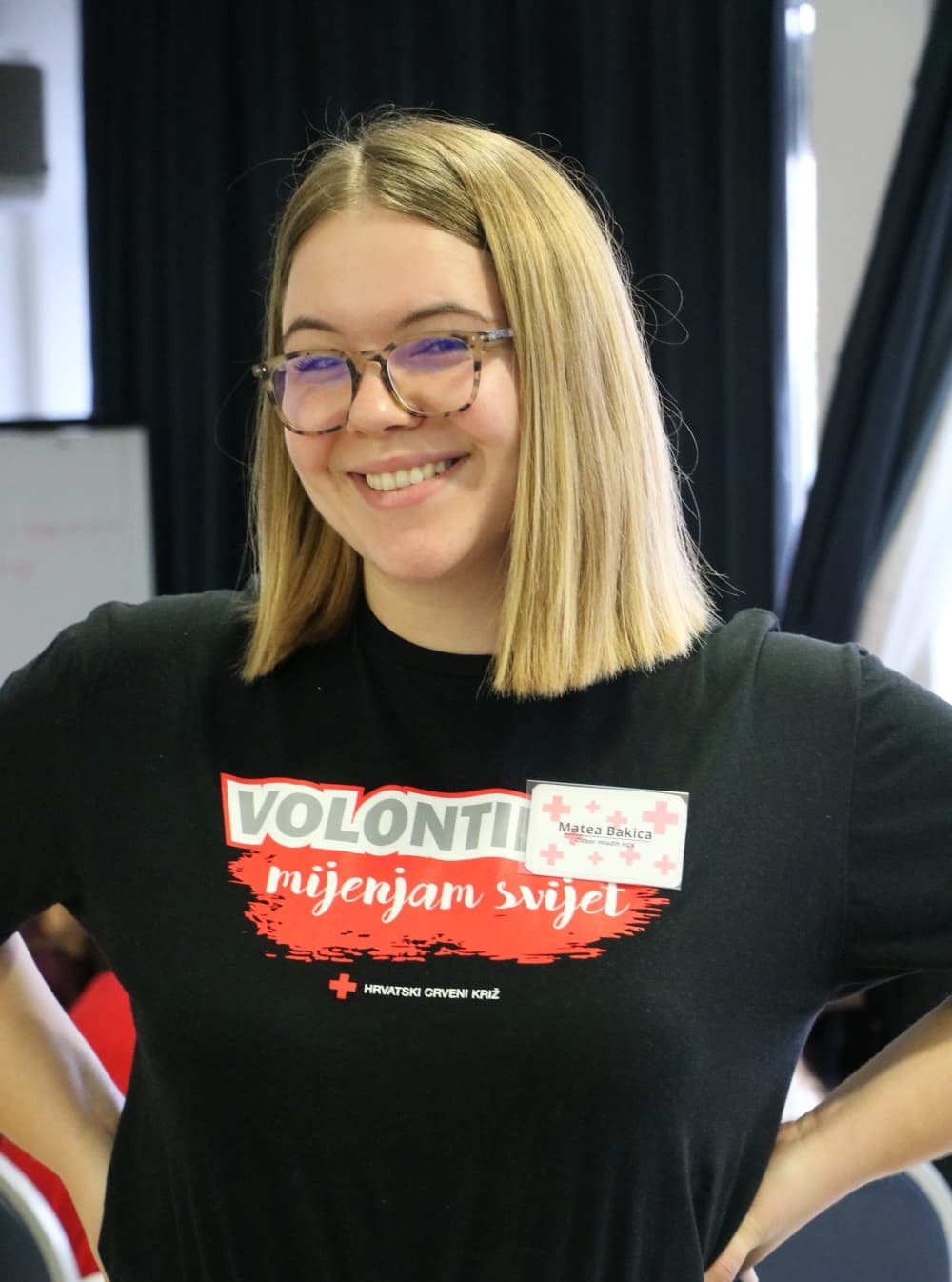 Matea BakicaCroatian Red Cross
- KeynoteNov 23, 202612:30 CET
VOLUNTEERING IS CHANGING: FROM EMERGING TRENDS TO A NEW STRATEGY
In this session, the Portuguese Red Cross shares its comprehensive process of analyzing volunteering trends to build a volunteering development strategy for 2026–2028. We will dive into the specific trends reshaping volunteer engagement in Portugal, and explore the strategic pillars designed to address them.
 Tiago CostaPortuguese Red Cross.
- KeynoteNov 23, 202612:30 CET
Impact of organizational leadership on the development of local branches
Development model for the provincial committees of the Burkinabe Red Cross to transform them into model committees.
 Hamadou Amadou MAIGABurkinabe Red Cross Society
- KeynoteNov 23, 202614:00 CET
Creating a safe space at work: The Organizational Ombuds
The objective is to create an Ombuds Network for the National Societies in line with the localization agenda to advance the Trust, Accountability, and Integrity work by establishing the currently missing informal, independent, confidential and impartial conflict-resolution resource, like the Secretariat's Office of the Ombudsperson, that can help to prevent the escalation of cases, mitigate risk and provide a safe space to discuss workplace-related conflicts confidentially. The Ombuds Network would also build on the existing Guidance for National Societies Statutes 2018 STANDARD 6.3: The Statutes provide for mechanisms and procedures for dispute resolution, which states that “The Statutes must provide for dispute resolution mechanisms and procedures to resolve conflicts arising within the National Society, especially for disputes concerning branches, volunteers and members that are not covered by existing procedures, such as human resource policies.’’
 Judit Révész +2 moreIFRC
- KeynoteNov 23, 202614:30 CET
Beyond the walls: Reimagining Red Cross youth – From participation to purpose
This year has been one of innovation, resilience and challenging the traditional approach to youth development within the Red Cross. My focus has been on thinking beyond conventional activities and creating meaningful experiences that give young people something, rather than simply expecting something from them. From our youngest Youth Links members to our Trailblazers, Cadets and Youth Champions, every young person deserves the opportunity to discover their potential, develop essential skills and recognise their ability to influence positive change. It is about nurturing curiosity, confidence, leadership and a sense of responsibility from an early age, while preparing them to contribute meaningfully within their communities and beyond. Red Cross Youth should be a starting point, not a destination. It should open doors, broaden perspectives and equip young people with the foundation and tools to shape their own journeys. We provide the opportunities; they determine how far they go.
 Daniela WoolfordTrinidad & Tobago Red Cross
- KeynoteNov 23, 202615:00 CET
Youth 360°
The Youth 360 perspective seeks to build an Argentine Red Cross that recognizes young people as protagonists of social, institutional, and humanitarian transformation, promoting their active, diverse, and meaningful participation in all areas of the organization. It aims to consolidate a comprehensive perspective that considers their multiple realities, needs, capacities, and forms of participation, moving beyond views that reduce them to mere recipients of actions or to a training stage within the institution. This perspective fosters an institutional culture that values their contributions and incorporates their voices into decision-making processes. It also recognizes young people as strategic targets of communication and marketing campaigns aimed at strengthening awareness, recognition, and appreciation of the Argentine Red Cross. In this way, it seeks to contribute to long-term institutional sustainability, building a meaningful connection with new generations in the present and promoting a future where more people know, value, and identify with the organization and its humanitarian mission.
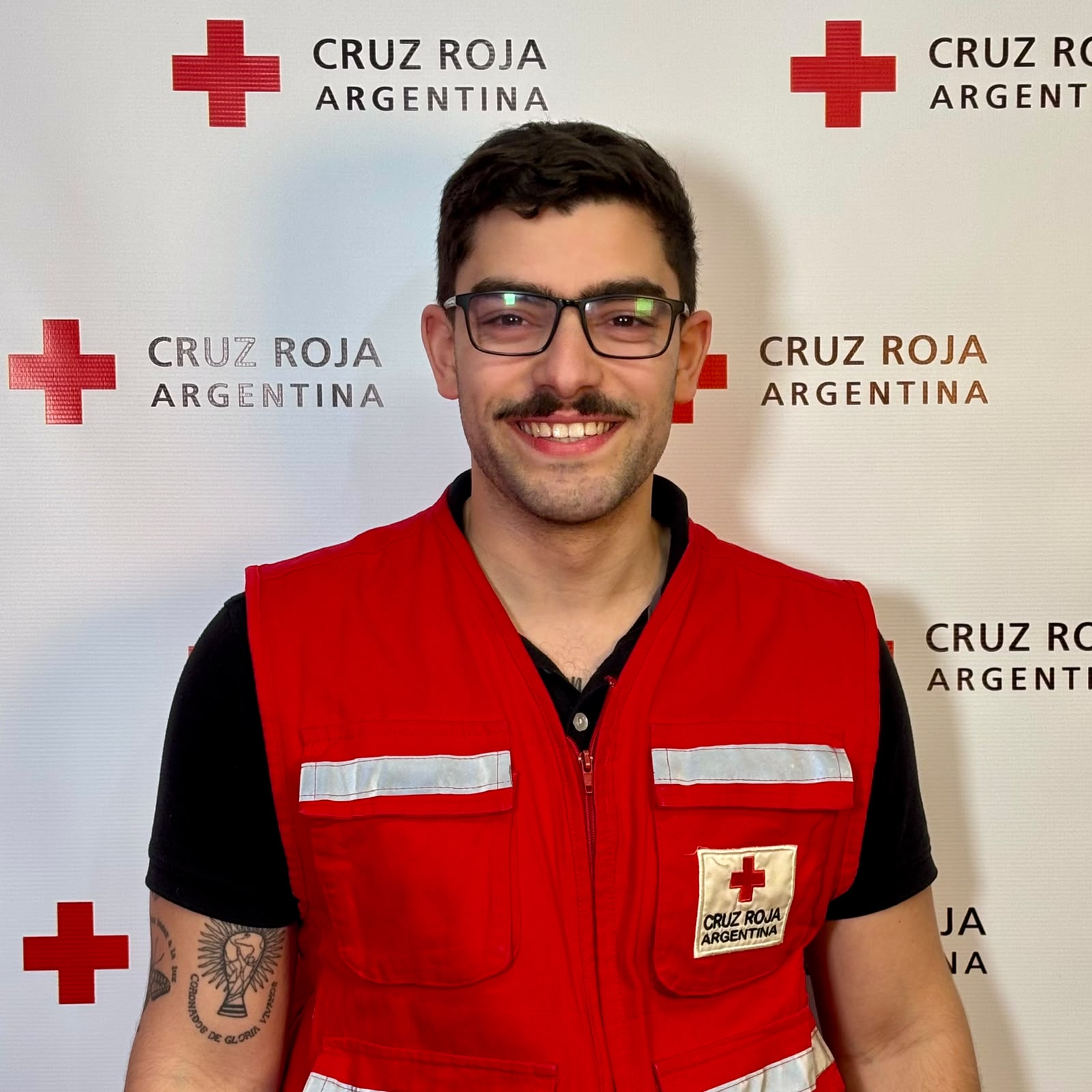 Tomás Sarkis BadolaArgentine Red Cross
- KeynoteNov 23, 202616:00 CET
VOLUNTEERING AND YOUTH DEVELOPMENT AT THE BURUNDI RED CROSS
The Burundi Red Cross is among the strongest NS of the Africa Region with a network of more than 700,000 volunteers disseminated in 42 Branches and 3044 local Red Cross Units. This immense number of volunteers allow an important local action in favor of the most vulnerables within the communities. In Fact , the Burundi Red Cross NS set up a volunteering strategy that enables not only the recrutement of a great number of volunteers, but also strengthening their capacities in various areas, supervising , menthoring , engaging , and building loyalty in volunteers. Volunteering is in short the spine of the BRC. Concerning Youth engegement, the leadership of the national society have been able to mobilize the red cross yout in more tha 60 percent of the local red cross unit and 81 percent of schools with a total number of more than 240,000 youth volonteers accros the country
 NAHIMANA OswaldBurundi Red Cross
- KeynoteNov 23, 202616:30 CET
Experience in financial development in collaboration with the Norwegian Red Cross
The Bolivian Red Cross expresses its interest in participating in this global forum to share an institutional strengthening experience developed with the invaluable support of the Norwegian Red Cross, whose technical assistance and the dedication of its staff significantly contributed to improving our administrative, financial, and governance processes. Through a collaborative work process, actions were implemented to strengthen risk management, financial monitoring, the development of performance indicators, the strategic use of technological tools, and the consolidation of institutional capacities for more efficient, transparent, and sustainable management. We believe this experience offers valuable lessons for other National Societies and would appreciate the opportunity to present it through a 20-minute pre-recorded video, highlighting results, challenges, and lessons learned that can inspire similar organizational strengthening processes.
 Dalma Rosa Ayala BustillosBOLIVIAN RED CROSS
- KeynoteNov 23, 202616:30 CET
From data to organizational change: Strengthening volunteering through evidence-based action
This session will explore how data and evidence can drive organizational change by helping National Societies better understand their volunteering realities, identify challenges and opportunities, and develop practical tools and strategies to strengthen volunteering. Drawing on experiences from the IFRC Americas region, the session will highlight how evidence-based approaches can inform decision-making, strengthen localization, and contribute to National Society Development (NSD) by placing volunteers and local branches at the centre of organizational development.
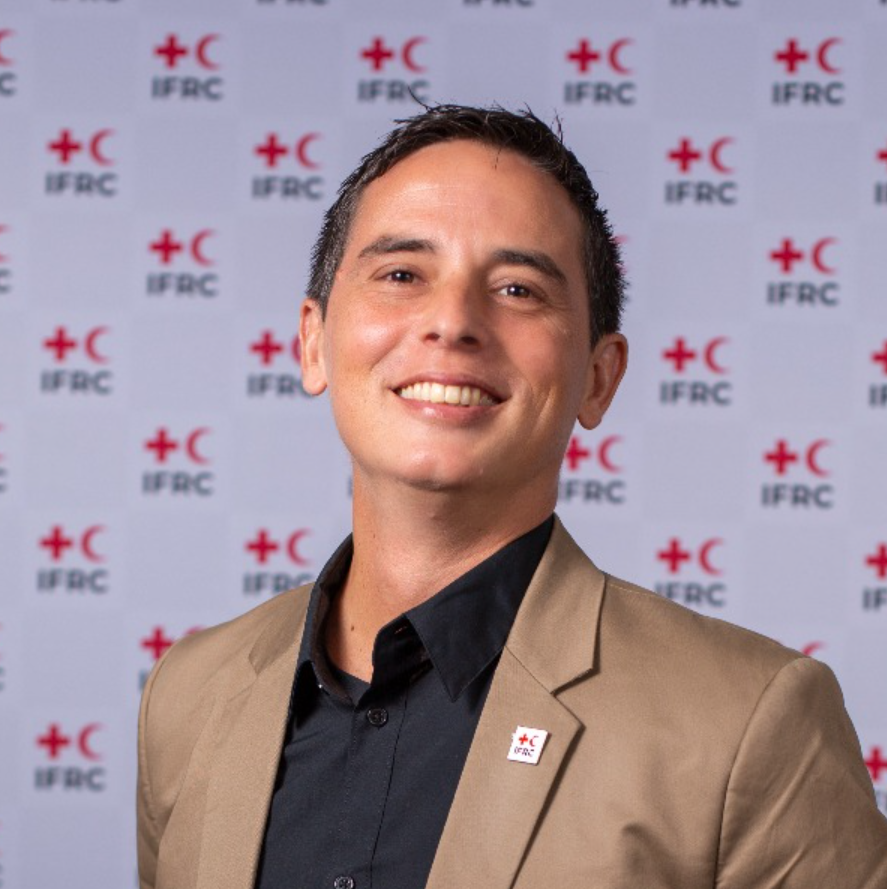 Dr. Andres MoralesIFRC Americas
- KeynoteNov 24, 202611:30 CET
Volunteering development & management in Afghanistan
The Afghan Red Crescent Society has extensive experience in engaging and managing volunteers across a large branch network in a complex humanitarian context. Through its volunteer structures, ARCS has supported emergency response, community-based services, and outreach activities while continuing to strengthen volunteer coordination and management practices. ARCS can share practical lessons on recruiting, supporting, retaining, and mobilizing volunteers at scale, as well as the role of volunteers in ensuring effective humanitarian action and community engagement.
Ahmad Sayeeq HazemAfghan Red Crescent Society - KeynoteNov 24, 202612:00 CET
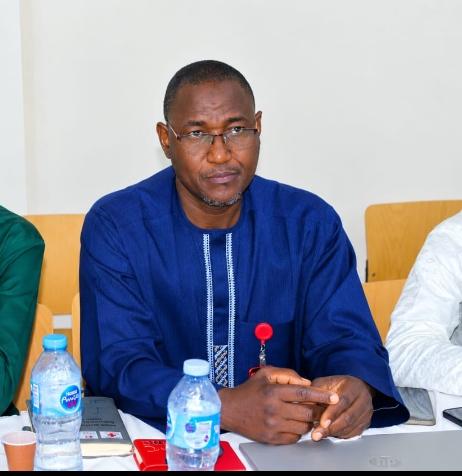
Volunteering and youth
For over a decade, the Niger Red Cross (NRC) has relied on a network of more than 10,000 volunteers. Since 2025, thanks to the NSIA Accelerator Project, the NRC has strengthened its volunteer management framework and financial autonomy, establishing a digital volunteer database through a new platform. This system improves the coordination and monitoring of volunteer activities. Furthermore, young people are systematically integrated into decision-making bodies, ensuring their representation and active participation. In 2026, the NRC developed a youth policy, highlighting its commitment to supporting youth involvement in humanitarian work. This strengthening of volunteerism and youth participation is a key asset for the NRC's mission and its impact on Nigerien communities.
 Ibrahim SidiRed Cross Society of Niger
- PlenaryNov 24, 202612:30 CET
Strengthening volunteerism and locally led action
Volunteers are at the heart of our Movement. But what will it take for volunteering to thrive in a changing world? Through volunteers' experiences and conversations with National Society leaders, this session will explore how volunteering is changing, what support and investment volunteers need, and what National Societies should do differently to strengthen volunteering, youth engagement and locally led action.
 Carine Fleury +7 moreSwiss Red Cross
- KeynoteNov 24, 202614:00 CET
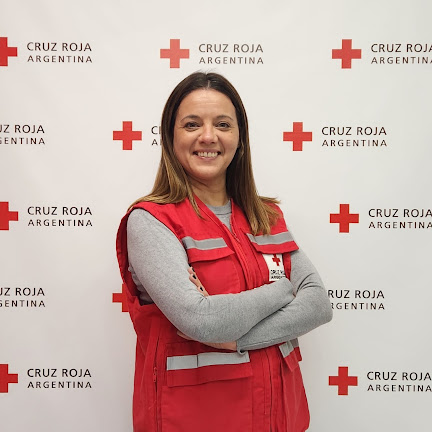
School of Leaders
For the past five years, we have been promoting the Leadership School, a strategic training program designed to strengthen organizational development and good governance capabilities within the Argentine Red Cross. This initiative trains members of the Boards of Directors and volunteers from local branches in legal, financial, communications, and community impact management skills. In the face of complex local realities, the project promotes ethical, transparent, and informed leadership that optimizes decision-making and the operational effectiveness of the branches. Its pedagogical approach combines synchronous and asynchronous online learning, participatory workshops, and the development of collaborative networks among branches. After five years of continuous implementation, the Leadership School has consolidated internal governance and laid the groundwork for professionalizing the institutional structure, ensuring a solid, sustainable National Society capable of providing tailored responses to community needs.
 Cristina CantatoreArgentine Red Cross
- KeynoteNov 24, 202614:00 CET
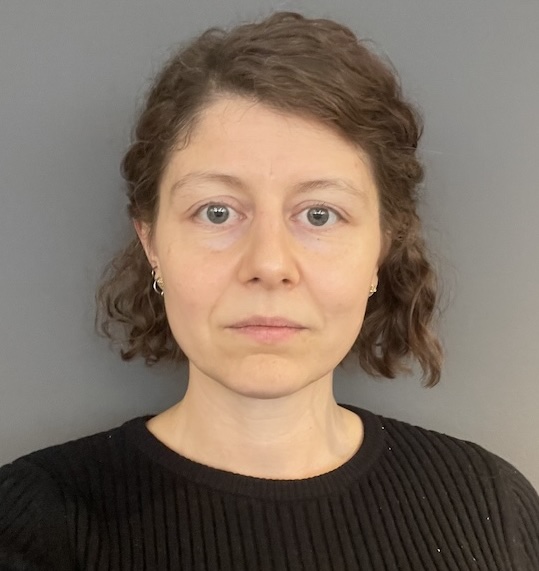
Introducing the Global Finance Development Centre
Curious about the new IFRC Reference Centre for Finance Development? We help national societies improve their financial management. From policy development to trainings and scale-up support, we are a trusted partner for any national society in the network. From the network, for the network. Come to learn more about the support we offer, what the centre is about, and how to get involved. In this keynote, Deputy Director Martine Svanevik will give a brief introduction of who we are, what the centre is about, what support we offer, how we work and how to request services. After all, financial integrity and sustainability are not back-office concerns. They are the foundation of the trust that communities, governments and donors place in us — and of our ability to act locally, at scale.
 Martine SvanevikIFRC Global Finance Development Centre (hosted by Norwegian Red Cross)
- KeynoteNov 24, 202614:00 CET
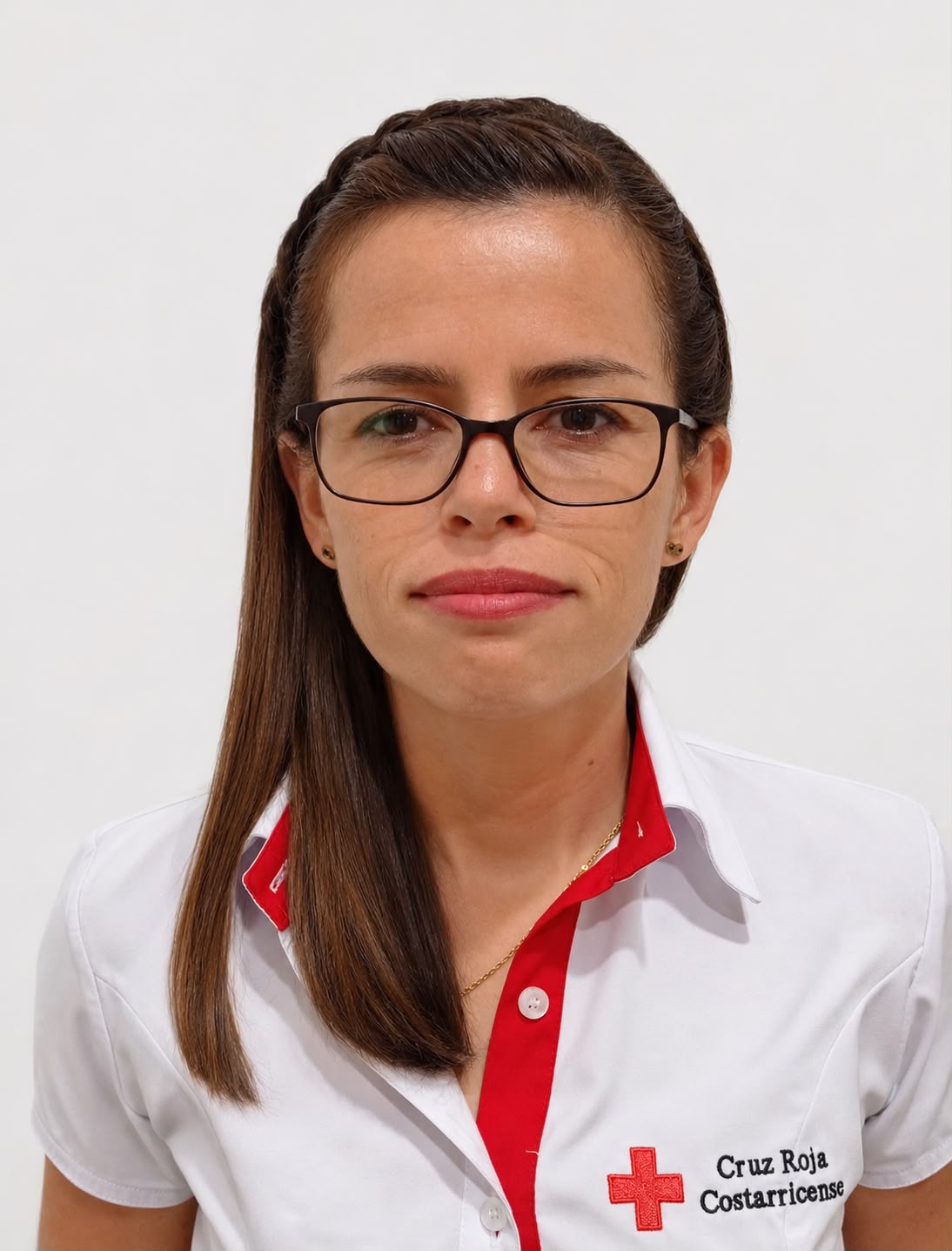
Safety and security of volunteers
Key benefits: Work-related risk insurance policy for volunteers: This policy provides comprehensive protection against accidents and/or illnesses that occur during or as a consequence of their work, including: Medical care: • Medical and surgical assistance. • Hospital and pharmaceutical care. • Rehabilitation. • Prostheses. • Medical devices and rehabilitation. Financial support: • Temporary disability allowance. • Permanent disability pension. • Death benefit. • Transportation expenses. • Funeral expenses. • Lodging and food expenses. Solidarity Fund: This fund provides support to Red Cross personnel, including volunteer dogs, who are affected by death, any contingency, or injury caused by or affecting their ability to perform their duties. Furthermore, in the event of a decline in the quality of life of a Red Cross worker or their family, caused by external, unforeseen, or unavoidable circumstances that the Red Cross worker or their family cannot address on their own, coverage is provided. In addition, the Red Cross has an Occupational Health and Safety department that ensures the safety of its personnel, addresses safety issues to provide timely responses to staff, and assists with the activation and monitoring of cases requiring institutional insurance coverage.
 Ana Artavia DuránCosta Rican Red Cross
- KeynoteNov 24, 202614:00 CET
SIPAR – Resource governance
Process-Based Management Model and Quality Mainstreaming The Ecuadorian Red Cross developed the Comprehensive Planning and Resource Management System (SIPAR) as a process-based management model that integrates planning, execution, control, and accountability. Its development began with the mapping, redesign, and coding of institutional processes, defining responsibilities, controls, and indicators before incorporating technology. The model articulates governance, advisory, core, and support processes under a common structure, enabling quality mainstreaming throughout the organization as a shared responsibility rather than an isolated function. SIPAR integrates eight modules and twenty-six submodules that connect planning, budgeting, finance, human resources, logistics, security, donors, and analytics. Each operation incorporates controls, segregation of duties, traceability, and verifiable evidence. Thus, technology enables an institutional model geared toward continuous improvement, transparency, efficiency, and sustainability, strengthening decision-making and ensuring that institutional management consistently meets common quality standards.
 Judith Ariza RodríguezEcuadorian Red Cross
- PlenaryNov 24, 202614:30 CET
Investing in tomorrow: what will local action need?
What if we could build extraordinary National Societies capable of doing things we cannot yet imagine? In this closing plenary, we will challenge some of our assumptions about what makes National Societies strong and successful, explore what they could become in a changing world, and ask what we should start doing differently today to prepare for the future.
 Dr Vanessa Iwowo +3 moreBirkbeck, University of London; Senior Visiting Fellow, LSE.
Hear from the people leading local action

Partners powering the summit
Hosted by
Organised with
This event is funded by the European Union.